- Between the World and Me by Ta-Nehisi Coates (1/17)
- Culture Warlords by Talia Lavin
- What’s the Matter with Kansas by Thomas Frank
- Extra Lives by Tom Bissell (Actually third time reading this through — great book!)
- Additional Dialogues by Christopher Trumbo
- Chase Darkness with Me by Billy Jensen
- Dispatches by Michael Herr
- Searching for Bobby Fischer by Fred Waitzkin
- Surviving Autocracy by Masha Gesson
- Later by Stephen King
- The Fire Next Time by James Baldwin
- Danse Macbre by Stephen King
- Stamped From the Beginning by Ibran X Kendi
- The Beautiful Struggle by Ta-Nahisi Coates
- The Fog by James Herbert
- Oh Whistle and I will Come To You, My Lad by M.R. James
- Sorted by Jackson Bird
- Action Park by Andy Mulvihill
- Silver Linings Playbook by Matthew Quick
- Pryor Convictions by Richard Pryor
- When Breath Becomes Air by Paul Kalanithi
- You’ll Never Believe What Happened to Lacey by Amber Ruffin and Lacey Lamar
- The Storm Is upon Us: How QAnon Became a Movement, Cult, and Conspiracy Theory of Everything By Mike Rothschild
- When Prophecy Fails By Leon Festinger
- The Death of Truth: Notes on Falsehood in the Age of Trump By Michiko Kakutani
- The Beginner’s Guide to Stoicism: Tools for Emotional Resilience & Positivity By Matthew J. Van Natta
- Night By Elie Wiesel
- Ready Player One by Ernest Cline
- NOS4R2 by Joe Hill
- The Boys of Winter by Wayne Coffey
- Everything is Spiritual by Rob Bell
- How to Not Get Shot by D. L. Hughley
- Horrorstor by Grady Hendrix
- Pastoralia by George Saunders
- The Final Girl Support Group by Grady Hendrix
- Misreading Scripture with Western Eyes by Brandon O’Brien
- Born a Crime by Trevor Noah
- Billy Summers by Stephen King
- Memorial Drive by Natasha Trethway
- Born Standing Up by Steve Martin
- Men Explain Things to Me by Rebecca Solini
- Find the Good by Heather Lende
- The Trauma Cleaner by Sarah Krasnostein
- So You’ve Been Publicly Shamed by Jon Ronson
- The Elephant in the Room by Jon Ronson
- The Psychopath Test by Jon Ronson
- Them: Adventures with Extremists by Jon Ronson
- The Last Days f August by Jon Ronson
- The Men Who Stare at Goats by Jon Ronson
- The Butterfly Effect by Jon Ronson
- Lost at Sea: The Jon Ronson Mysteries by Jon Ronson
- Becoming Nicole: The Transformation of an American Family By Amy Ellis Nutt
- 10 Landmark Supreme Court Decisions and How They Impact Your Life By David L. Hudson
- The United States of Absurdity: Untold Stories from American History By Dave Anthony
- The Life-Changing Science of Detecting Bullshit By John V. Petrocelli
- The Making of a Miracle: The Untold Story of the Captain of the 1980 Gold Medal-Winning U.S. Olympic Hockey Team By Mike Eruzione
- The Problem of Pain By C. S. Lewis
- Let’s Pretend This Never Happened: A Mostly True Memoir By Jenny Lawson
- The Beauty Myth by Naomi Wolf
- Grammar Girl’s Quick and Dirty Tips to Improve Your Writing by Mignon Fogarty
- The Stonewall Reader by New York Public Library, Edmund White
- Confessions of a Funeral Director by Eric Jason Martin
- Jesus Son by Denis Johnson
- Too Fat, Too Slutty, Too Loud by Anne Helen Peterson
- Schadenfreude by Suzanne Toren
- The Story Teller by Dave Grohl
- What is the Bible by Rob Bell
- Amy: My Search for her Killer by James Renner
- Big Foot . . . It’s Complicated by Denver Riggleman
- The Hellbound Heart by Clive Barker
- How to Survive a Horror Movie by Seth Grahame-Smith
- The Immortal Henrietta Lacks by Rebecca Skloot
- Lessons from a Third Grade Dropout by Rick Rigsby
- Quackery: A Brief History of the Worst Ways to Cure Everything by Lydia Kang & Nate Pederson
- Our Own Worst Enemy: The Assault from Within on Modern Democracy by Tom Nichols
- OMG WTF Does the Constitution Actually Say?: A Non-Boring Guide to How Our Democracy Is Supposed to Work by Ben Sheehan
- The Grapes of Wrath by John Steinbeck
- Snow Crash by Neal Stephenson
- Zen in the Art of Writing by Ray Bradbury
- The Assault on Intelligence: American National Security in an Age of Lies by Michael V. Hayden
- The Hepatitus Bathtub and Other Stories by NOFX
- Unqualified by Anna Faris
- Parenting the Modern Teen by Christine Carter
- The Watson’s Go To Birmingham: 1963 by Christopher Paul Curtis
-
-
Books I have finished reading since January 2020. The final count!
I’m Still Here by Austin Channing Brown
Undocumented Americans by Karla Cornejo Villavicencio
The Art of Memoir by Mary Karr
Good Talk by Mira Jacob
The Shining by Stephen King
The Misinformation Age by Caitlin O’Connor & James Owen Weatherall
You Have The Right To Remain Innocent by James Duane
Too Much and Never Enough by Mary L. Trump PhD
Hoax by Brian Stetler
Compromised by Peter Strzok
It’s Even Worse Than It Looks by Thomas Mann & Norman Ornstein
You Don’t Have to Say You Love Me: A Memoir by Sherman Alexie
The Absolutely True Diary of a Part-Time Indian by Sherman Alexie
Mr. Mercedes by Stephen King
The Glass Menagerie by Tennessee Williams
Smoke Gets in Your Eyes: And Other Lessons from the Crematory by Caitlin Doughty
The Truth Matters: A Citizen’s Guide to Separating Facts from Lies and Stopping Fake News in Its Tracks by Bruce Bartlett
Blur: How to Know What’s True in the Age of Information Overload by Bill Kovach & Tom Rosenstiel
On Tyranny by Timothy Snyder
Dear Martin by Nic Stone
How Fascism Works: The Politics of Us and Them by Jason Stanley
And Then You’re Dead (What Really Happens If You Get Swallowed By A Whale, Shot From A Cannon, Or Go Barreling Over Niagara . . . ) by Cody Cassidy & Paul Doherty
Confederacy of Dunces by John Kennedy Toole
Fault Lines by Kevin M. Kruse & Julian E. Zelizer
Audacity of Hope by Barack Obama
Dreams of My Father by Barack Obama
Kill All Normies by Angela Nagle
White Rage by Carol Anderson
Promise Me, Dad by Joe Biden
Breaking Hate by Christian Picciolini
Will My Cat Eat My Eyeballs by Caitlin Doughty
Nigger: An Autobiography by Dick Gregory
Rising Out Hatred by Eli Saslow
The Hate U Give Angie Thomas
Republic of Lies by Anna Merlan
-
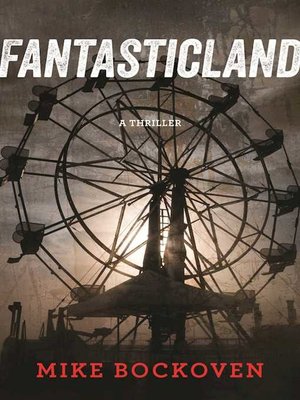
Lord of the flies for the consumer culture we have become. Fantasticland: A novel is a really interesting book. I bought the audiobook because a lot of times I listen to books in the car rather than reading a physical copy. This book was unusual in that narration done by Angela Dawe and Luke Daniels made the book an amazing experience. I had to check to make sure there were only two narrators because they go back and forth between chapters and each chapter introduces a new character. Their performances made an interesting book utterly fascinating.
The premise of the book is simple. A theme park in Florida, comparable to Disneyland, is evacuated due to a coming storm. Tourist are able to get out but hundreds of employees are left at the park. As the hurricane hits a natural disaster is declared and no one can get to or out of the park. Just over one month later the national guard arrive to find the place turned into a warzone with bodies hanging from the Fantasticland sign. Tribes had formed between the employees and battles for resources and dominance took over. It was amazing to me because the premise seemed so outrageous that I wondered if it were possible but the narrators weaved an experience so that you never had a doubt things would turn out this badly. IT was almost inevitable.
Again, I had to check to make sure it was just two narrators because they did such an amazing job! If you get a chance to read this I highly recommend the audiobook over the physical book. Each chapter of the book is an interview with another survivor of the park. Each person is brought to life by these two expert narrators so that the characters never feel similar in any way. Fantasticland is a fantastic read. Sorry, I couldn’t help myself.
-
The Community College of Rhode Island is the state’s only public comprehensive associate degree-granting institution. We provide affordable open access to higher education at locations throughout the state. Our primary mission is to offer recent high school graduates and returning adults the opportunity to acquire the knowledge and skills necessary for intellectual, professional and personal growth through an array of academic, career and lifelong learning programs. We meet the wide-ranging educational needs of our diverse student population, building on our rich tradition of excellence in teaching and our dedication to all students with the ability and motivation to succeed. We set high academic standards necessary for transfer and career success, champion diversity, respond to community needs, and contribute to our state’s economic development and the region’s workforce.
This is the mission statement of the community college I work. I stand by this mission statement and do my best to apply it to each and every student. This means every student gets a chance. There may be issues with open door policies (like the place of remedial courses or language barriers) but I could not see myself as devoted to any other educational environment. As someone who came to the school to change my life, I can watch all of these students semester after semester change their lives. That is the greatest feeling of accomplishment one can ask of their job.
-
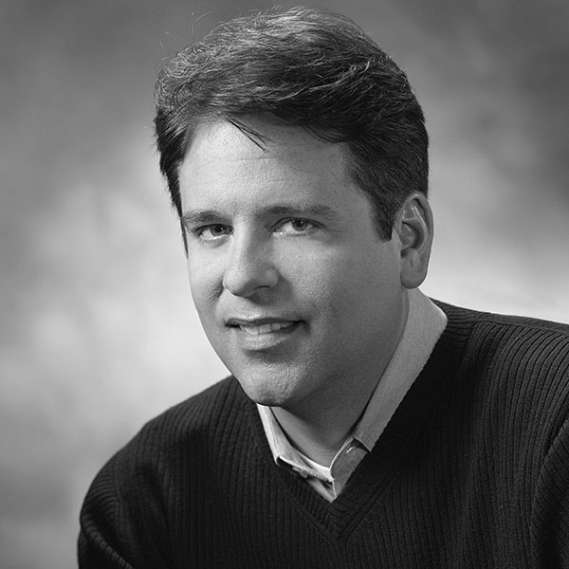
William Kist is a research scholar that studies the advancement of technology for pedagogical purposes in the classroom. He is a former High School English teacher who is currently a Professor of Teaching, Learning, and Curriculum Studies at Kent State University. He has over 15 years of experiences in the classroom and now works closely with teachers who want to adopt new technologies in the classroom. He has over 50 articles and books to his credit with three books (including his newest book) on blended learning and new media literacies. Mr. Kist has spoken all over the country giving his insights and keynote addresses to some of the most interesting academic conferences including:
- December, 2016, American Reading Forum, Sanibel Island, FLA
- July, 2016, 30th Annual High Schools That Work Conference, Louisville, KY
- May, 2015-October, 2015, Coxsackie-Athens (NY) Schools (two days and two webinars)
- September, 2014-April, 2015, Delaware Department of Education
- November, 2014, National Dropout Prevention Center Conference, Louisville, Kentucky
This is, of course, a small sampling of a number of talks, lectures, and keynotes he has offered but the last of this list remains the most interesting to me. Mr. Kist is a firm believer that technology in the classroom might actually be able to save many troubled students from dropping out of high school.
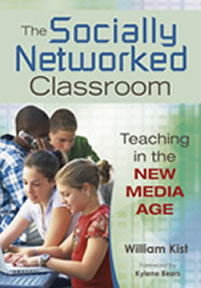
In his book The Socially Networked Classroom Mr. Kist offers constructive ways to implement technology in the classroom under the basic question of “What would happen if teachers could bring the world inside the classroom”? His idea began when he noticed students leaving class immediately checking their phones and “plugging back in” to the outside world. Initially, he makes the argument about safety concerns and how children were once thought of as adults and the need to return to a “not so safe” age of responsibility and accountability. “It wasn’t too long ago,” he writes on page 9, “that children took an active part in the adult world.” (Kist 2009). Once establishing the safety concern for students Mr. Kist moves towards giving teachers power with technology without overwhelming them. In an extremely interesting way of distributing the information as to the teacher’s technology level with coffee sizes at Starbucks!
- “Short” for nearly non-wired classroom
- “Venti” for classrooms that may not look like traditional classrooms
- “Grande” for high tech environments
“But this is not a cheerleading book in which glowing portraits are provided of the transformative power of Web 2.0. This book, rather, aims to chronicle the sometimes messy first steps of educators who are attempting to include social networking inside real schools and who are grappling with all the challenges that come along with this new kind of teaching” (Kist 2009)
Although much shorter than I had expected (coming in at roughly 44 pages), Getting Started With Blended Learning is also a good introduction for teachers to begin the first attempts at a “plugged in” classroom. In this book, Mr. Kist is much more to the point and gives examples of tools and how to use them in the classroom. It would be said that a teacher should at least be casually knowledgeable about the different tools he does offer reliable and tested ideas for teachers to try them out with real students.
-
STRATEGIC AND ENGAGED READERS:
What makes a strategic reader? I think that strategic readers develop personalized reading strategies to maximize their reading time. So, for example, a poor strategic reader might go about the task of a reading assignment the night before the reading is due and try to “just do it all” in one sitting. This is a passive attempt at reading and demonstrates little engagement with the text. They search for keywords or terms to show they have read the text but make no attempt at a deeper level of understanding.
A strategic reader, on the other hand, is going to know that they should read in blocks of time allowing for small breaks to pace themselves. They know how to interact with the text to keep their interest from waning and continue to shape understanding as the text presents new information. I like to think of this type of reading almost like sculpting where each new piece of information is more medium put on the table to sculpt. With each new piece, they continue to shape and mold until they achieve understanding.
These skills can be taught in reading instruction but the reader has to understand the benefit of these skills. Usually, in a home where reading is a cherished activity, it will come naturally and the attention span for reading increases. I also believe that a love for reading must start young. If children do not see the value in reading then they become adults who do not value reading. As a skill acquired from early in school most people assume the ability to read is the same about any topic, any text, any author. This is demonstrably false as dense texts require greater reading skills. Just having the ability to sound out words from the page is not reading.
The mistake I had made when reading the required text was I assumed that each skill area showed a new level, or tier, to greater ability to read. So, for example, a person who has shown to be able to comprehend words on a page were not as advanced as someone who can synthesize the text to formulate new thoughts. Doug Beuhl’s text illuminated to me that each skill area is independent and requires practice and reinforcement. When he discusses the skills needed to be a strong reader he demonstrated just how the skills interact with one another in the reading of a text. For example, Beuhl asserts that readers need to strengthen their ability to recognize important information and retain the information to long term memory. He also discusses that readers will frequently hit a “pause button” when they encounter difficult text to alter their reading to different texts. Unfamiliar words or concepts need to be evaluated for understanding and synthesizing. These show how all of the different skills when reading are in play during any one act of reading text.
CONNECTIONS:
There is a certain irony that the greatest skill to aquire with reading is also the hardest to instill in readers. Engagement with the text seemed to be the number one cited importance to the reading of any text. The reader needs to be interactive with the text; ask questions of the text; make guesses of the text; compile information and synthesize the text to form new ideas. I say this is ironic because most people believe that reading is a passive activity. That taking the words from the page to the mind is a passive word building exercise. Often times students can be heard saying, “I am just sitting and reading” but the mental activity, even if listening to someone read is quite extraordinary. I have often found when I encounter boring text that my eyes will read each word and I will move from line to line left to right but not be “recording” what I am reading. I have done this for several pages before I stopped to realize I have no idea what I am reading or what has happened. This, to me, is passive reading. There needs to be an engagement with the text to keep the process from simply mouthing words and sounding out syllables. Across every reading this week engagement was among the top of the list of skills needed for reading comprehension.
IMPLICATIONS/QUESTIONS/CRITIQUES:
This is going to beg the question of if it can be taught. As I said earlier, if a love of reading is fostered young the natural progression is an engaged reading mind. If A child grows up on television which is far more passive than reading can the skill be taught? I am not sure. I think to develop a love of reading the books themselves have to play a major role. Giving the child a selection of books of a personal interest will increase engagement but could this alone translate to engagement of required texts? I am not sure. We have become a culture of people who are intimidated and frightened by intelligence and intellectual pursuits. I am thinking of students proudly proclaiming they “can’t do math” or the critical backlash against Tim Rice (Hillary’s choice for VP) because he spoke fluent Spanish and therefore must be lenient of immigration issues. I wondered how the fact that he is bilingual be a bad thing. Some would say it was the chosen language of Spanish but others have a “speak English or get out” mentality. I don’t know when reading became the activity of the bored rather than a pursuit of intellectual improvement but I can say, in my experience, that when people see me reading a book they interrupt me as if to “save me” from reading. I have found that if I want to read in peace I need to load books on my phone and read on the screen as people are less prone to approach me if I am looking at my phone. Perhaps the medium is what makes the difference now. Again, I am not sure.
-
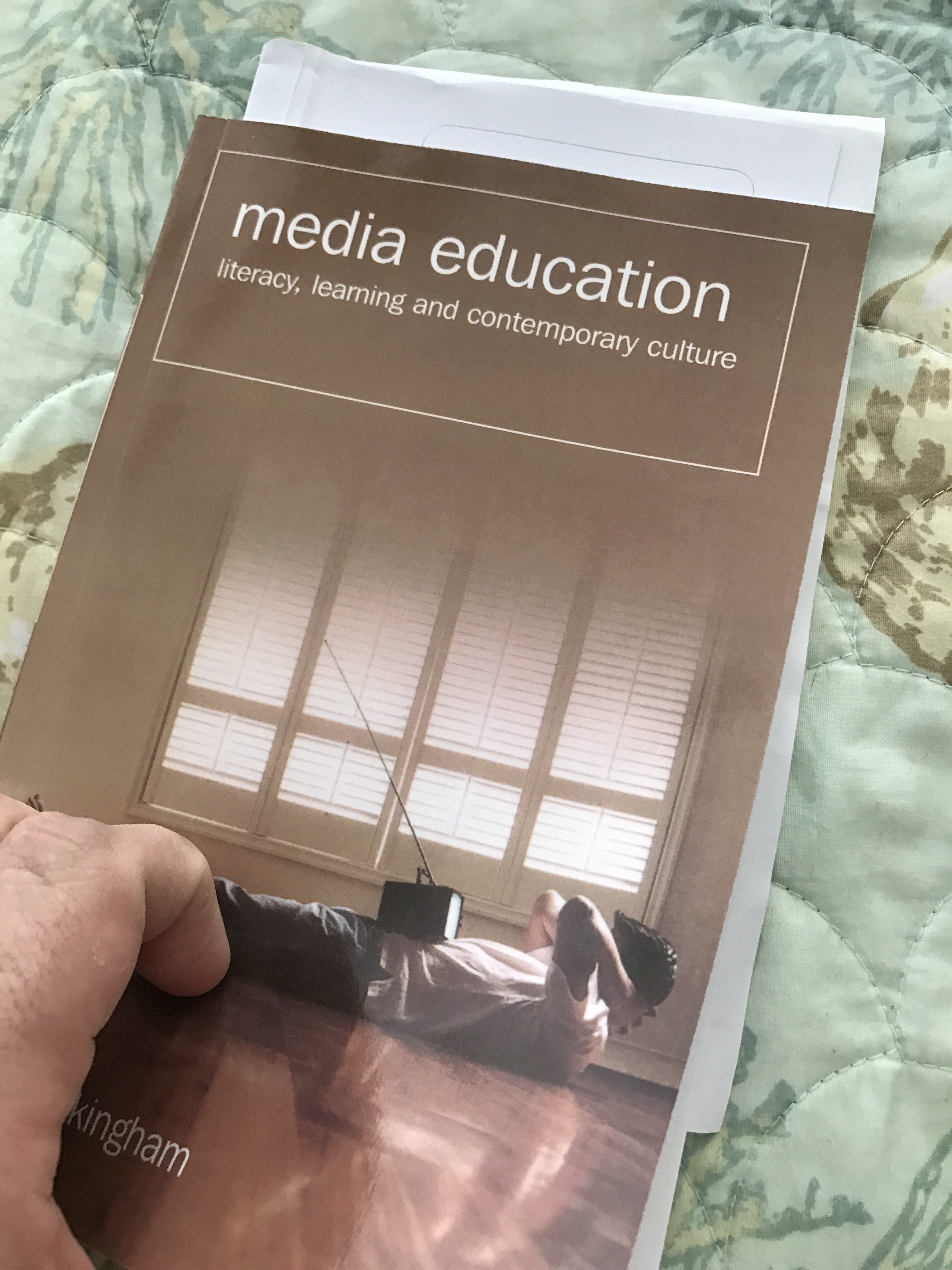
My homework for this weekend is to read the second part of this book. I am growing to love media education. The more I learn the more vital I realize it is. In case you read this thinking how I am going to incorporate this into class time — you’ll see!
-
For the memoir assignment I want to talk about the first time I ever feel I accomplished something as a writer. I was taking a Creative Writing class at CCRI but was planning to drop after the very first night because the professor was blind. I figured her blindness would mean we would be forced to read our work out loud and had already decided to drop the course.
As I was walking out of class that very first night a fellow student asked what I thought. I replied that it seemed like a good class but I was not staying. He agreed with me but said that he would stay in the class if I did. I told him I wasn’t sure but I would think about it. We exchanged information and stayed in touch the whole week. He loved to write poetry and was serious in his craft. I was writing fiction but was also quite serious about how different authors approached different subject matters. We spent several nights discussing different writers and read to each works that meant a lot to us. We listened to Bob Dylan in the car and even attended local poetry readings. We forged a friendship from that very first night after we both decided to stay.
One night after class the teacher told me that she loved my last piece. She said she couldn’t get over how good it was and really wanted me to send it somewhere. I was flattered but I had no intention of seeking publication or seeking an audience for my writing. It was something I did because I loved the craft. I have written stories about so many things and figured I was an adequate writer but nothing special or extraordinary.
After a few weeks of really pushing me to do something with my writing I finally relented and sent some of my stories out to a summer writer’s retreat at Skidmore University in New York. I figured they would reject me but that she would leave me alone because I tried.
The semester ended and I am still good friends with the young man (now old man) Mark I met in that class and I figured that they didn’t even bother to reply to me because I was so terrible. Then a letter came in the mail that I had been accepted and that they wanted me to attend. I had a million different excuses that I couldn’t go; work, classes, lack of money, no transportation, distance. Anything I could think of to not attend this retreat.
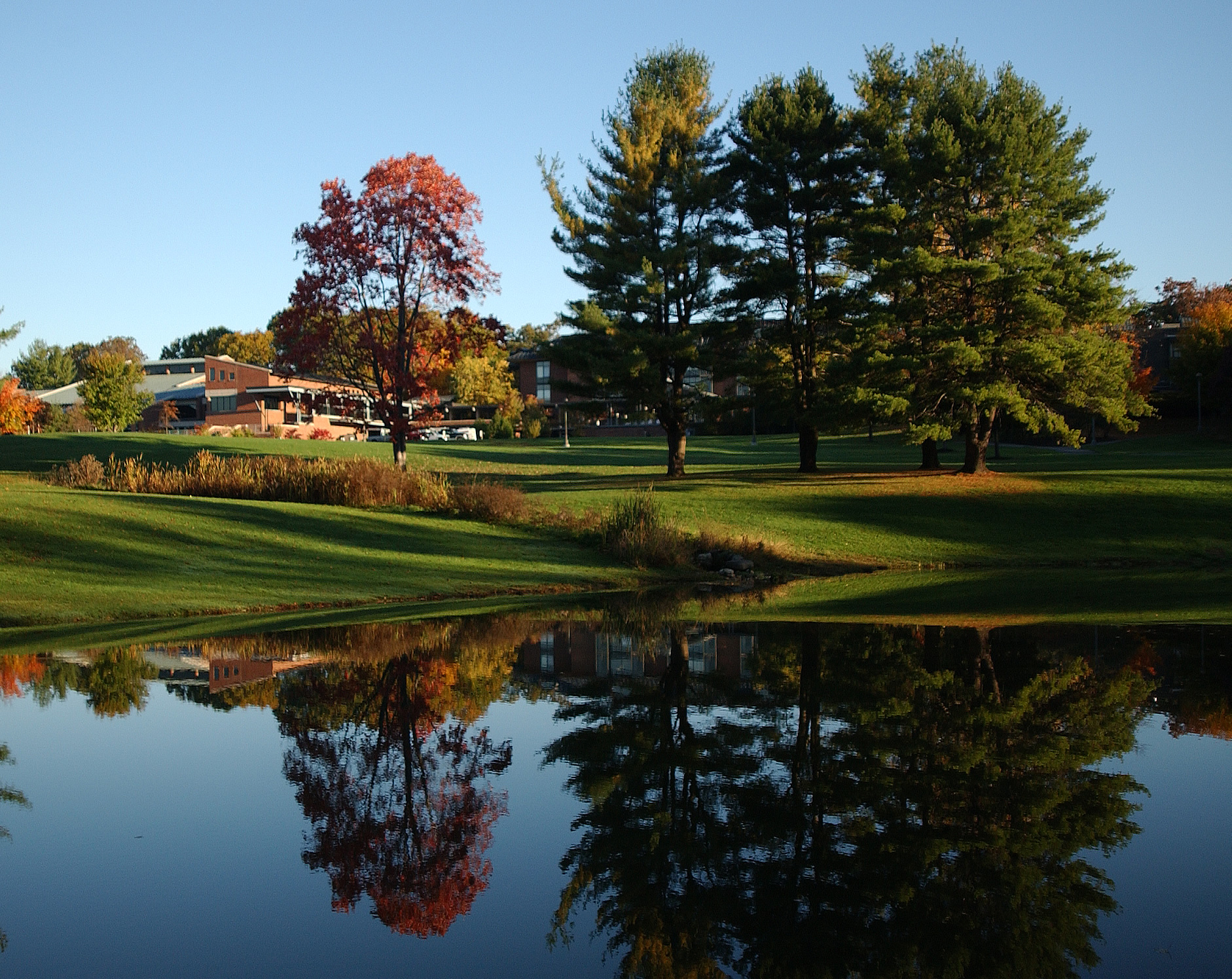
She battled each one of my excuses down until I had no excuses left. One by one she broke me down into long lengthy discussions about “When is writing done?” or “What to do with writing when I finish?” or even “Does good writing need an audience?”.
To me, writing was always about wrapping myself in a story and creating characters I liked. Perhaps it was lack of self esteem that wanted me to hide but I was just happy doing my writing. Mike Csikszentmihalyl discusses how experiences in your life can bring you happiness much more than the things we think make us happy. I spent two weeks living in a dorm in this tower doing nothing but reading and writing and discussing fiction as a craft.
I could not have been happier. Like anything else in life the creativity needs adventure and exposure outside of the comfort zone. This was my first dive outside of my comfort zone and it only made me want more and more. I have since earned several degrees and been published a few times but nothing is as pleasurable to me as just discussing how good fiction works. I think my life would be different if I had confined myself to look at publishing as “the end” so to speak because I like revision and making it new and seeing it again. These things matter to me and are a part of my process in creation. Sometimes I write myself into a corner and I have to take a step back and let the characters themselves find their way out. Wallace discusses the period of Illumination as when the creative spark hits. This illumination always came to me through great frustration when I couldn’t think of what to do next. I would trust to just put it down and think on other things – maybe a new story – but get myself away from my block and let the story work itself out. Then while driving or playing a video game it would hit me. The answer seems so obvious that I would get embarrassed it took so long to arrive. This was the process I enjoyed, I loved; it was solitary and left me to create worlds that my characters had to play against. Those times I didn’t trust or wouldn’t let the characters fend for themselves left me with an empty feeling, as if the entire story had been forced and pushed to a conclusion. Most of those stories were thrown away never to return.
When we discuss the idea of truly original creative ideas or are they pieced together from scraps of other ideas it seems like a romanticized fallacy of the process. If I allow myself to be creative and create worlds for my characters to inhabit but steal other ideas to finish them or to prolong them this is not an authentic creative moment. I am simply piecing together scraps of other works. But if I pay homage to the stories that I loved and enjoyed from before in order to create an authentic experience for myself I have found creativity and happiness. In cases like this the inspiration speaks for itself and the trajectory can be traced. This is a completely different matter than stealing an idea.
-
This is going to be a first for me but I am going to use this blog in conjunction with a course I am taking at URI this semester. I am enrolled in EDC 534 and will be keeping a blog of assignments and self reflection. To this end I am going to allow students to drop in and check on my progress as they like. I am a passionate believer in life long learning. Too often, we get the wrong idea that education has a sort of “finish line” that converts from training to career. In the modern 21st century this is just no longer applicable. Technology and innovation moves too fast for anyone to decide when to stop learning. Hopefully students can see that we all have to continue to learn and grow and self reflect – even the ones who are teaching us. I hope this is illuminating and encouraging.
-
Pareidolia is the mind’s innate ability to recognize patterns even where there is none. So, for instance some might see faces on objects that have no face. Others can even give objects personality by judging their “face”. Once you know this you can see faces just about everywhere.
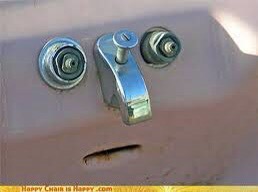 This little guy is sad.
 Welcome to ChuckMorgan3.com